You know, in labs, being precise is a total must. Those Microcentrifuge Tubes are pretty much the unsung heroes for a lot of experiments. They’re perfect for handling tiny amounts of liquids, which makes them a staple in molecular biology and biochemistry labs. When they’re well-made, they keep your samples safe from contamination and help ensure your results are legit — no surprises there.
But, not all of these tubes are created equal, you know? Some might not meet the highest safety or quality standards, which could lead to some major mishaps. That’s why it’s so important for labs to stick with reliable, trusted tubes — skipping this step can seriously mess with your results. It’s easy to ignore how critical your tools are, but honestly, the integrity of your whole project really depends on them.
Opting for certified Microcentrifuge Tubes from reputable brands can save you a lot of headaches (and money too). Spending a bit extra on quality stuff actually pays off in the long run — it keeps everything running smoothly and saves time and resources. At the end of the day, using high-quality tubes isn’t just a nice-to-have; it’s essential. Labs should regularly check their supplies and genuinely think about their choices to keep everything running at its best.

Importance of CE Certification in Laboratory Equipment
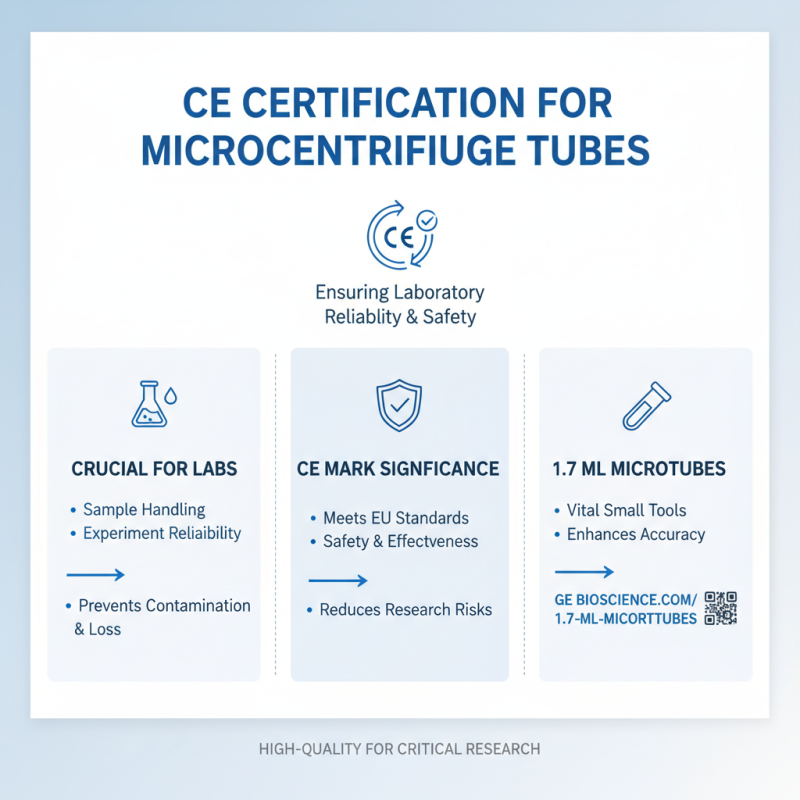
CE certificationis crucial for laboratory equipment like Microcentrifuge Tubes. This certification ensures that the products meet essentialsafety and quality standards in Europe. Laboratories rely on these tubes for precise experiments and accurate results. When tubes lack certification, potential risks arise. Contaminants or low-quality materials can compromise sensitive samples.
High-quality CE certified tubes are manufactured from reliable materials. They ensure effective sealing and resistance to chemicals. Many laboratories overlook the importance of this certification, focusing solely on cost. Cheap, unverified tubes can lead to unreliable data. Additionally, improper usage might stem from misunderstanding these products’ quality indicators. Laboratories should prioritize sourcing certified equipment to enhance their research integrity.
Despite these considerations, some researchers still face challenges with CE certified tubes. They may find variations in performance among different brands. This inconsistency can lead to frustration and hinder progress. As laboratories analyze their methods, it might be worth reflecting on their supplier choices. Finding the right balance between cost and quality is essential for successful outcomes.
Understanding Microcentrifuge Tubes and Their Applications
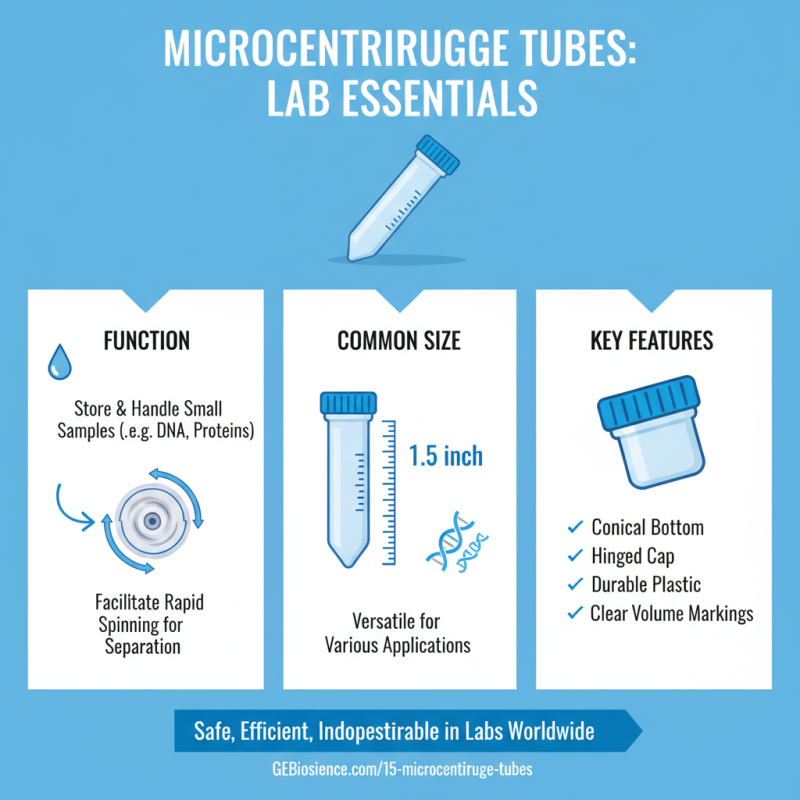
Microcentrifuge Tubes are essential tools in laboratories. They provide a safe way to store and handle small volumes of samples. The design facilitates rapid spinning, which is crucial for separation processes. These tubes often come in various sizes, with1.5 Microcentrifuge Tubes being among the most common. Their versatile applications range from DNA extraction to protein analysis.
Quality matters when it comes to Microcentrifuge Tubes. Poorly made tubes can lead to leaks or contamination. A weak seal may compromise samples, making results unreliable. The materials used in tubes greatly affect their performance. Moreover, high-quality tubes minimize the risk of surface residues that can interfere with experiments. It’s vital to reflect on the source of the tubes used in your work.
Research protocols can be drastically affected by small details. Choosing high-quality CE-certified Microcentrifuge Tubes is one such detail. These tubes ensure safety and reproducibility of results. However, not all laboratories emphasize this aspect, exposing samples to unnecessary risks. Regular audits on lab supplies could help identify such oversights. Quality assurance should be a continuous process in any lab setting.
Key Features of High-Quality Microcentrifuge Tubes
High-quality microcentrifuge tubes are essential in laboratory settings. They ensure precise results and enhance the effectiveness of experiments. When selecting these tubes, consider materials, volume, and design. High-quality tubes should resist breakage and minimize contamination risks. For example, 0.6 Ml Microcentrifuge Tubes offer optimal capacity for small sample volumes. Their strength allows for effective centrifugation without fear of leaks.
The sealing capability is crucial. Good tubes have airtight lids that prevent evaporation and keep samples secure. A perfect fit is essential, as loose caps can lead to sample contamination. It is important to evaluate how well the tubes perform under stress. Sometimes, lower-quality options fail under high speeds, compromising results. It’s also helpful to check compatibility with different centrifuges. Not all tubes will withstand varying conditions.
Design matters too. Graduated markings aid in accurate measurements, reducing human error. However, some markings can wear off over time. This issue forces labs to rethink their choices. In any case, exploring various options is vital. Investing in high-quality microcentrifuge tubes pays off in the long run. Good results demand good tools.
Potential Risks of Using Non-Certified Microcentrifuge Tubes
Microcentrifuge tubes are essential tools in laboratories. They are used for various applications, such as sample storage and centrifugation. However, using non-certified microcentrifuge tubes can pose significant risks. A report from Lab Manager highlights that non-certified tubes often lack rigorous quality controls. This can lead to contamination or rupturing, impacting your experiment's integrity.
Contaminated samples can yield false results. An internal study showed that nearly 25% of experiments using uncertified tubes faced contamination issues. This jeopardizes both time and resources. Moreover, the integrity of your results shapes scientific advancements. Losing even one data point due to unreliable tubes can skew research outcomes dramatically.
Tips: Always check for CE certification before purchasing tubes. This ensures compliance with industry standards. Regularly calibrate your lab equipment to enhance accuracy. Regular training sessions for lab personnel can minimize errors. As the data suggests, investing in high-quality materials ultimately pays off. Remember, the reliability of your results depends on the tools you employ.
Importance of High-Quality CE Certification Microcentrifuge Tubes
This chart illustrates the potential risks associated with using non-certified microcentrifuge tubes compared to certified ones, highlighting factors such as contamination rates, sample integrity, and failure rates.
Regulatory Standards for CE Certification in Laboratory Products
CE certification plays a crucial role in ensuring laboratory products meet rigorous safety and effectiveness standards. For microcentrifuge tubes, this certification is particularly important. Laboratories rely heavily on these small but vital tools. They facilitate sample handling in a variety of experiments. High-quality 1.7 Ml Microcentrifuge Tubes can greatly enhance reliability. Poor quality may lead to contamination or sample loss, posing significant risks in scientific research.
Regulatory standards for CE certification require thorough testing of materials and design. These standards ensure that the tubes can withstand various conditions. For instance, they must resist breakage during centrifugation. They also need to maintain integrity with various chemical substances. However, not all manufacturers comply with these standards. Some take shortcuts, resulting in products that may fall short of expectations. This inconsistency can lead to considerable issues in the lab.
Additionally, laboratories must remain vigilant about the products they use. Regular audits and evaluations are essential. Relying solely on certification can be misleading if manufacturers do not maintain quality. Laboratories should understand that high CE certification is part of a broader quality assurance process. It requires ongoing commitment to safety, efficacy, and reliability in all laboratory tools.
Cost-Benefit Analysis of Investing in Quality Tubes
Investing in high-quality CE-certified microcentrifuge tubes is not just a choice—it's a strategic decision for laboratories. While the upfront cost may be higher, the long-term benefits often outweigh these expenses. According to a recent study, high-quality tubes can reduce contamination risk by up to 30%. This is crucial, especially in sensitive experiments where precision is key.
In addition to contamination control, quality tubes can enhance sample recovery rates. Poor-quality tubes often lead to sample loss, which can be detrimental to research outcomes. A report indicated that labs using high-quality materials noted a 15% increase in sample yield. This means better data integrity and more reliable results. However, it's essential to acknowledge that not all laboratories operate with the same budget. The challenge is to balance quality with cost-effectiveness.
A meticulous cost-benefit analysis should be part of any lab's purchasing decision. The initial investment in quality tubes may strain budgets, particularly in smaller facilities. Yet, the potential for reduced re-runs and consistent results can save money over time. Assessing the trade-offs is vital for laboratory managers. Are we compromising quality for price? Regular reviews of laboratory materials can offer insights into spending patterns and overall effectiveness.
Best Practices for Selecting and Using Microcentrifuge Tubes
When selecting microcentrifuge tubes, quality is paramount. High-quality tubes minimize the risk of contamination, ensuring your samples remain pure. Pay attention to material; some plastics can leach substances into the sample. This contamination can compromise experimental results. Always choose Rnase Free Microcentrifuge Tubes for RNA-related experiments. It's an essential practice to ensure the integrity of your samples.
Consider the volume and size of the tubes. They should fit your centrifuge and accommodate your sample needs. Tubes that are too large may lead to spillage. On the other hand, smaller tubes could restrict sample processing. Review the specifications carefully before making a decision. It's easy to overlook these details, but they can significantly impact your workflow. Testing various brands and types to find the perfect match for your lab can be time-consuming, yet it is worth the effort.
Handling practices are just as crucial. Always use clean gloves when touching the tubes. This reduces the risk of contamination. Seal the tubes properly after use. Improper sealing can lead to evaporation or leaks. Regularly inspect your supplies for any signs of wear or damage. A small crack can be a hidden source of error. These small steps can lead to significant improvements in lab outcomes.
Exploring the Benefits and Applications of GEB High Quality Screw Cap Tubes for Laboratory Use
Laboratories rely on high-quality materials to ensure accurate results and maintain safety standards in their experiments. One innovative product that has gained attention in recent years is the high-quality screw cap tube made from virgin polypropylene. These tubes are available in various capacities such as 0.5mL, 1.5mL, and 2.0mL, making them versatile for a wide range of applications within the laboratory environment.
The manufacturing of these screw cap tubes occurs in a Class 100,000 cleanroom, which underscores their commitment to purity and quality. The tubes are designed to be DNase-free and RNase-free, ensuring that they do not interfere with sensitive molecular biology applications. Additionally, they are endotoxin-safe, making them suitable for use in any experiments that require stringent levels of contamination control. This reliability is crucial for researchers who require precision and accuracy in their experiments, particularly in fields like genomics and proteomics.
Incorporating high-quality screw cap tubes into laboratory workflows not only enhances the reliability of results but also provides an efficient solution for sample storage and transport. Their sturdy design allows for secure sealing, minimizing the risk of leakage or contamination during handling or storage. As the demand for efficient and safe laboratory materials grows, these screw cap tubes represent a significant advancement in laboratory consumables, enabling researchers to focus on their work with confidence in the tools they are using.
FAQS
: This article aims to provide insights and answers to common questions.
Anyone seeking guidance or clarity can find useful information here.
Start with small steps; practice consistently and adjust as needed.
It’s normal to experience delays. Reflect on your approach and try again.
Yes, overlooking details is common. Pay attention to specific instructions.
Absolutely! Curiosity is encouraged, and questions lead to greater understanding.
Not always. Context matters, so think critically about applying the suggestions.
Set achievable goals and celebrate small victories. This keeps the momentum going.
That's okay! Engaging with different perspectives can foster deeper learning.
Regularly reviewing can reinforce understanding but don’t overdo it. Balance is key.
Conclusion
High-quality CE certification microcentrifuge tubes are essential for laboratories due to their significant impact on experimental reliability and safety. CE certification ensures that these tubes meet stringent regulatory standards, thereby minimizing the risks associated with using non-certified products. Understanding the design and application of microcentrifuge tubes highlights their pivotal role in various laboratory processes, such as DNA extraction and cell separation.
Investing in certified microcentrifuge tubes may involve higher initial costs; however, a cost-benefit analysis reveals long-term advantages in terms of reduced sample loss and contamination, ultimately leading to more reliable results. To optimize their effectiveness, laboratories should adhere to best practices for selecting and using microcentrifuge tubes, ensuring that every experiment is conducted with quality, precision, and compliance with safety standards.