In the ever-evolving landscape of quality control, the challenge of selecting high-quality CE certification manufacturers has become increasingly complex. Data from the International Organization for Standardization (ISO) reveals that approximately 30% of manufacturers fail to meet the stringent requirements for CE certification. This highlights the critical need for a discerning approach, particularly when exploring options like the Spe Column Series. Investing in high-quality equipment can significantly enhance product reliability and reduce long-term costs.
The Spe Column Series stands out due to its reputation for excellence. However, the presence of numerous manufacturers in the market makes it vital to conduct thorough research. A recent survey indicated that only 45% of companies implement effective vetting processes for certification bodies. This statistic suggests that many enterprises overlook essential criteria when selecting manufacturers. It’s crucial to question the foundations of their certifications; are they truly valid and reliable?
Choosing the right manufacturer is not just about quality; it’s about ensuring sustainable practices and technological compliance. As the industry pushes for innovation, understanding these nuances can lead to better decisions. Neglecting to scrutinize certification can result in costly mistakes. The Spe Column Series represents a significant investment, so the choice of manufacturer should not be taken lightly. Reflecting on these factors can guide businesses toward successful and compliant solutions.

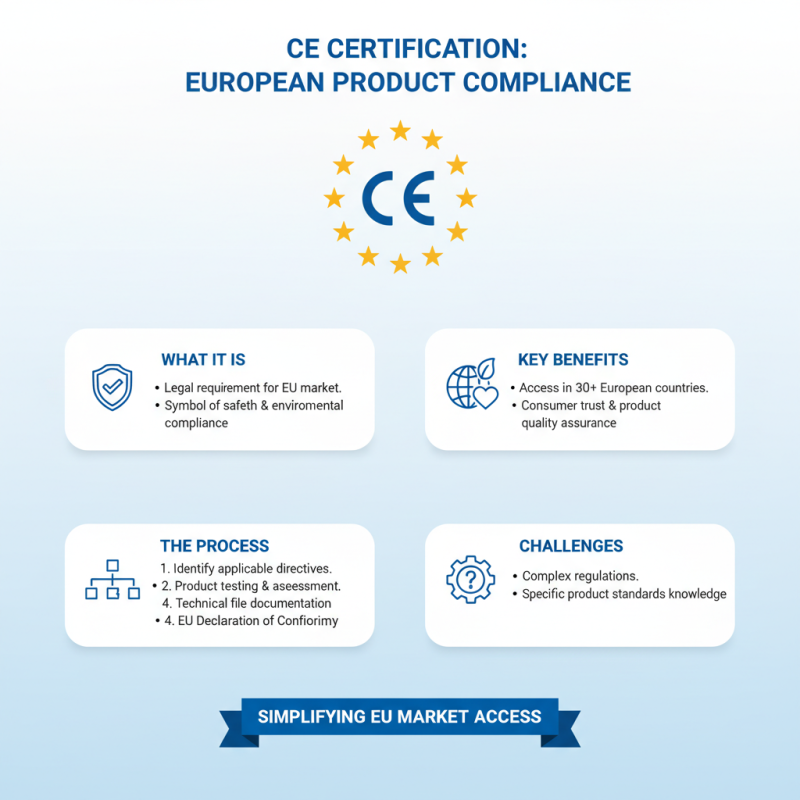
CE certification is essential for manufacturers looking to market products in Europe. It signifies compliance with safety, health, and environmental requirements. This certification is not just a legal obligation; it's an assurance of quality. The process can be complex, often requiring in-depth knowledge of the specific product standards. Manufacturers must navigate through various regulations, which may seem overwhelming.
Choosing the right CE certification manufacturer is crucial. Look for companies with proven track records. They should have experience in the specific product category, like the Hollow Filter Column Series. It's important to check references and reviews. Sometimes, manufacturers may not fully understand the certification process themselves. This can lead to mistakes that delay production and sales.
Communication is key. A good manufacturer will be open about their processes. They should also provide guidance on how to improve product compliance. However, not all manufacturers will be transparent. You may encounter those who promise quick certification without proper assessments. This can lead to unforeseen issues later. Therefore, do thorough research before making a decision. Engage in discussions that challenge your assumptions and bring new insights to light.
Choosing high-quality CE certification manufacturers is vital for ensuring safety and compliance. Start by evaluating their experience in the industry. Experienced companies tend to have better processes in place. Look into their quality management systems. A solid system leads to reliable products. However, this is often overlooked. Many companies chase the lowest price and miss the point entirely.
Another key factor is customer support. Manufacturers should offer guidance throughout the certification process. Are they responsive? Will they help with compliance updates? This support can save time and reduce stress. Not every manufacturer provides adequate assistance. Ensure they can handle issues that arise during certification. Explore their reputation as well.
Lastly, check for transparency in their operations. A trustworthy manufacturer openly shares information about their processes. Dive deep into their Pcr Series and ask for case studies. If they hesitate, it's a red flag. Remember that quality assurance is not just about certificates. It's about building a partnership that assures compliance and safety over the long term.
When selecting high-quality CE certification manufacturers, researching their credentials and reputation is crucial. A recent industry report indicated that 70% of failed compliance issues stem from inadequate supplier vetting. Manufacturers should hold relevant certifications that verify their compliance with norms. However, not all certificates are equal. Some manufacturers may misuse or misrepresent their credentials, leading to confusion in the market.
Look into third-party reviews and industry feedback. Online platforms can provide user insights into a manufacturer's reliability. For instance, approximately 60% of buyers reported reading reviews before making decisions. Additionally, ensuring the manufacturer has a consistent track record of delivering products that meet CE standards is essential. Transparency in their processes reflects their commitment to quality, yet not every manufacturer provides this information willingly. This lack of clarity can be a red flag.
Furthermore, consider engaging with industry associations. These organizations often have resources for verifying the legitimacy of manufacturers. In fact, 55% of companies that proactively checked credentials reported better supplier relationships. Despite efforts, some manufacturers may still fall short, emphasizing the need for ongoing evaluation and dialogue.
| Criteria | Description | Rating (1-5 Stars) |
|---|---|---|
| Manufacturer Experience | Years in industry and specific experience in CE certification | ★★★★☆ |
| Quality Management System | ISO certifications and adherence to quality protocols | ★★★★★ |
| Client Reviews | Feedback from previous clients and case studies | ★★★★☆ |
| Technical Capabilities | Range of certifications offered and technical support available | ★★★★☆ |
| Regional Experience | Knowledge of CE requirements in specific regions | ★★★★★ |
| Customer Support | Availability and responsiveness for customer inquiries | ★★★☆☆ |
When choosing high-quality CE certification manufacturers, compliance with EU standards is crucial. The European Union has strict regulations to ensure product safety. They cover various sectors like electronics, toys, and medical devices. According to a recent report from the European Commission, almost 60% of non-compliant products present risks to consumer safety. This indicates the importance of choosing manufacturers who meet these standards.
Manufacturers often showcase their commitment to compliance through relevant documentation. However, it is essential to verify these documents thoroughly. In 2022, a survey found that about 30% of manufacturers believed their products complied with EU regulations, yet many were found lacking upon inspection. This discrepancy underscores the need for vigilance and due diligence when evaluating potential partners.
In addition to documentation, certifications should be scrutinized. Not all certifications are created equal. Some may be easily obtained without rigorous testing. It is vital to research the certifying bodies and their reputations. Keep an eye on changes in regulations as well. The EU frequently updates its standards. This reality can become a point of confusion for manufacturers and consumers alike. Ultimately, staying informed and proactive will lead to better choices.
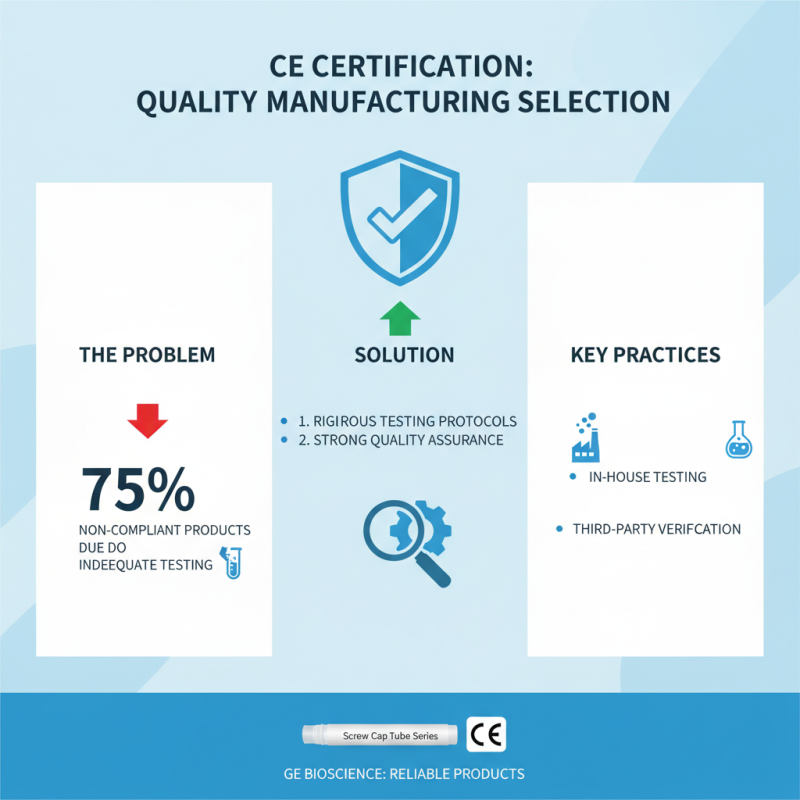
When selecting a manufacturer for high-quality CE certification, it's crucial to evaluate their testing and quality assurance processes. A recent industry report highlighted that 75% of non-compliant products fail due to inadequate testing. This emphasizes the need for manufacturers to implement rigorous testing protocols. A strong quality assurance process typically includes both in-house and third-party testing. It ensures that products, such as the Screw Cap Tube Series, meet the required standards.
Understanding the specific tests a manufacturer conducts is vital. For instance, manufacturers should perform stability tests and ensure material quality. According to a study, 68% of consumers have reported issues with products lacking thorough testing. This data stresses the importance of transparency in testing methods. Manufacturers should provide detailed documentation of their processes, showcasing their commitment to quality.
Additionally, evaluating a manufacturer’s history can reveal potential flaws. Look for reports on previous compliance issues or recalls. Constantly improving their procedures reflects dedication to quality. The absence of this can lead to defects. This could be detrimental to a product line like the Screw Cap Tube Series, which demands precision for safety and effectiveness.
When searching for high-quality CE certification manufacturers, customer reviews are invaluable. They provide insights into real user experiences. Look for honest feedback that highlights both strengths and weaknesses. Some reviews may seem overly positive, but critical assessments reveal important details. For instance, a company might have excellent product quality but could lag in customer support, which is crucial in decision-making.
Case studies further illuminate the reliability of manufacturers. They often showcase how a product performed in real-world situations. These narratives can include successes and failures, helping you gauge a manufacturer's capabilities. Pay attention to the challenges faced and how they were addressed. A detailed case study may show improvements over time, indicating a responsive manufacturer. Emphasizing transparency in reviews and case studies can help you identify trustworthy partners.
Ultimately, understanding the nuances in reviews and case studies is vital. Perfection is rare. A company with minor flaws might still be the best choice. Find the balance between quality and support. No manufacturer is without issues, but their response to these challenges can define their long-term performance.
Maintaining effective communication with manufacturers is crucial. It fosters a partnership based on trust and transparency. Regular updates can lead to better product quality and timely delivery. Establishing clear channels for feedback makes a significant difference. This approach can also help address issues before they escalate.
Tips: Schedule regular check-ins. Use video calls for face-to-face interactions. This builds rapport and eases misunderstandings.
Support is equally important. A responsive manufacturer is invaluable. Quick responses can turn potential issues into minor bumps. If a problem arises, having a manufacturer willing to assist makes a huge difference. Offer constructive feedback for improvements. Manufacturers appreciate knowing how they can enhance their service.
Tips: Share detailed specifications. Clearly define your expectations. This minimizes confusion and sets the groundwork for a smoother process.
Remember, building a supportive relationship takes time. Be patient and open. Misunderstandings might occur, and that’s normal. Reflect on interactions to identify areas for improvement.
: The product aims to enhance user experience with a focus on usability and practicality.
Store it in a cool, dry place away from direct sunlight. This helps maintain its quality.
Yes, daily use is suggested, but be aware of individual reactions. Monitor how your body responds.
Discomfort could happen. If it does, stop using the product and consult a professional for advice.
There are no strict age limits, but guidance is recommended for younger audiences. Assess individual readiness.
Once opened, the product typically lasts several months. Check for signs of spoilage before use.
Most people can use it, but some may have sensitivities. Reflect on any allergies or health conditions.
If instructions are lost, seek help online or contact customer support for guidance.
Some users may experience mild side effects. It's important to stay informed and gauge your own response.
It offers convenience and can simplify tasks. Users often find small but meaningful benefits in daily routines.
The article titled "2026 How to Choose High Quality CE Certification Manufacturers in Spe Column Series" explores essential strategies for identifying reliable CE certification manufacturers. It begins with an overview of CE certification and its significance in ensuring product safety and compliance within the European market. Key criteria for selecting high-quality manufacturers include assessing their credentials, reputation, and compliance with EU standards.
Further, the article emphasizes the importance of evaluating the manufacturer’s testing and quality assurance processes, which are crucial for maintaining high production standards. Additionally, analyzing customer reviews and case studies can provide insights into a manufacturer’s reliability and service quality. Finally, maintaining open lines of communication and support with manufacturers is highlighted as a vital component in establishing a successful partnership. This comprehensive guide serves as a valuable resource for businesses navigating the complexities of CE certification in the Spe Column Series.